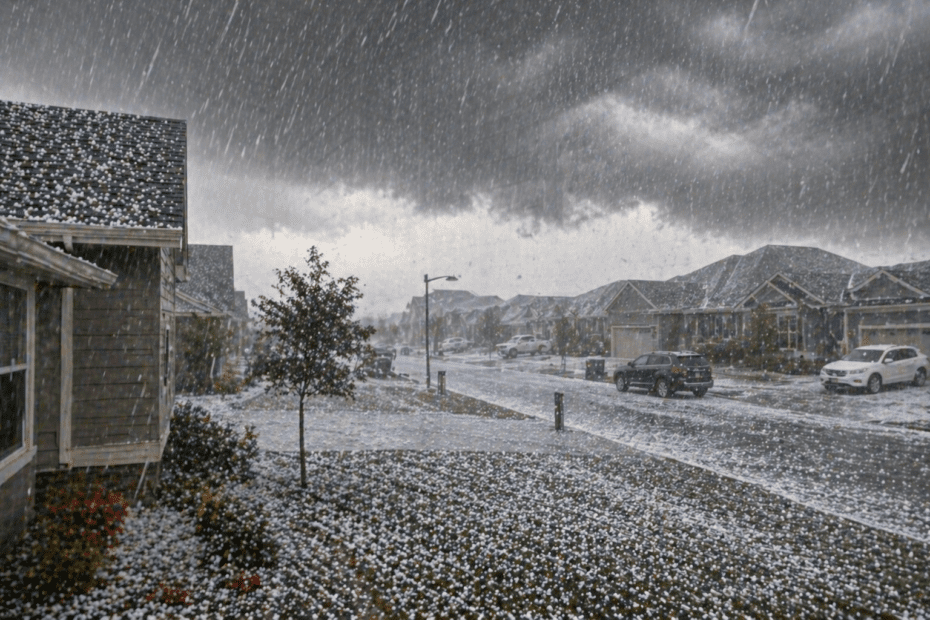
If you’ve lived in Rapid City or the Black Hills region for any length of time, you already know that hailstorms are a fact of life. South Dakota sits squarely in the heart of Hail Alley — the stretch of the Great Plains that sees some of the most frequent and intense hail activity in the entire country. Every spring and summer, homeowners across the area deal with the aftermath: dented gutters, cracked windshields, and — one of the most overlooked forms of damage — compromised exterior siding.
At Ghost Canyon Exteriors, we’re one of the most trusted exterior siding contractors serving Rapid City, Spearfish, Sturgis, and the surrounding Black Hills communities. We’ve seen hail damage in every form imaginable, and we know that not all siding is created equal when it comes to withstanding Mother Nature’s fury. In this guide, we’ll break down how hail affects the most common siding types and help you find the most affordable siding options for your home’s next installation or repair.
Why Hail Damage to Siding Deserves Your Attention
It’s easy to spot a dented car hood or broken skylight after a hailstorm. Siding damage, however, is often more subtle — and more dangerous in the long run. Here’s why you shouldn’t ignore it:
- Water intrusion: Cracks, dents, and punctures in siding create entry points for moisture, leading to mold, rot, and structural damage inside your walls.
- Insulation loss: Damaged siding reduces your home’s ability to retain heat in winter, driving up energy bills.
- Curb appeal and home value: Visibly damaged siding lowers your home’s value and makes it harder to sell.
- Insurance claims: Documenting hail damage promptly is essential for filing a successful homeowner’s insurance claim.
The good news? Working with an experienced exterior siding contractor after a hailstorm can help you assess the damage accurately, navigate the insurance process, and find affordable siding options that protect your home for decades to come.
Before you build a wood patio deck, or any deck, here are the climate factors that should influence your material choice:
- Freeze-thaw cycles: Repeated freezing and thawing causes some materials to crack, warp, or delaminate over time.
- UV exposure: High-altitude sun fades and dries out wood faster than at lower elevations.
- Moisture and snow load: Materials need to resist moisture intrusion and support heavy snowfall without warping or sagging.
Wind: The Black Hills region can experience powerful wind events that stress deck structures and fasteners.
Understanding Hail in the Rapid City Area
Hailstones form when updrafts in thunderstorms carry water droplets high into the atmosphere where they freeze. The size of hailstones can range from pea-sized (less than half an inch) to baseball-sized (nearly 3 inches) or larger. In South Dakota, hailstones over 1 inch in diameter — large enough to cause significant siding damage — are common during severe thunderstorm season from late spring through early fall.
The damage hail causes depends on several factors: stone size, wind speed and direction, the angle of impact, and most critically, the type and condition of your siding. Let’s look at how each major siding type holds up.
How Hail Affects Each Type of Siding
1. Vinyl Siding
Vinyl siding is one of the most popular and affordable siding options on the market — and it’s widely used throughout Rapid City homes. While modern vinyl siding has improved significantly in quality and thickness, it remains one of the more vulnerable materials when large hail strikes.
What hail damage looks like on vinyl:
- Cracks, splits, or holes — especially from hail over 1 inch
- Dents or divots visible in raking light
- Chipped or broken edges where panels meet
- Panels knocked loose or displaced from their locking channels
Thicker vinyl siding (around 0.046 inches or more) performs better in hail than standard-grade panels. If your home currently has thin or aging vinyl, hail season is a good reminder to discuss an upgrade with your exterior siding contractor. Vinyl is still one of the most affordable siding options for replacement after a storm, especially when insurance covers part of the cost
2. Wood Siding
Wood siding — including clapboard, shiplap, and cedar shake — brings natural warmth and character to a home’s exterior. However, it’s among the most susceptible materials when hail strikes, particularly if the wood is older or has not been properly maintained.
What hail damage looks like on wood:
- Dents, dings, and circular impact marks on the surface
- Split, cracked, or broken boards or shingles
- Paint or stain knocked loose, exposing raw wood to moisture
- Accelerated rot in boards where hail has penetrated the protective finish
Wood siding that has been freshly stained or painted typically fares better because the protective coating absorbs some of the impact. However, once the surface finish is compromised, moisture can enter quickly — especially during Rapid City’s wet spring season. Ghost Canyon Exteriors offers professional staining and painting services to help protect wood siding between storms.
3. Fiber Cement Siding
Fiber cement siding — brands like James Hardie are well known in this category — is one of the most hail-resistant siding materials available. Made from a combination of cement, sand, and cellulose fibers, it’s dense, hard, and built to withstand impact.
What hail damage looks like on fiber cement:
- Small chips or cracks from extremely large hail (2″+ diameter)
- Surface paint damage or chipping without structural compromise
- Generally holds its form significantly better than vinyl or wood
Fiber cement is considered one of the best investments for hail-prone areas like Rapid City. While it carries a higher upfront cost than vinyl, many homeowners find that the long-term savings in repairs and replacements — plus potentially lower insurance premiums — make it a smart financial decision. Ask our team about whether fiber cement fits within your budget for affordable siding options.
4. Metal Siding (Steel and Aluminum)
Metal siding — particularly steel — is gaining popularity in the Midwest and mountain west regions precisely because of its durability in severe weather. Steel siding can take a serious beating from hail and bounce back better than most alternatives.
What hail damage looks like on metal:
- Denting is the primary concern — large hailstones can leave visible dimples
- Aluminum dents more easily than steel
- Steel holds up very well to hail under 1.5 inches in diameter
- Paint coatings can chip on impact, potentially leading to rust over time if not addressed
Steel siding is often recommended for homeowners who have experienced repeated hail damage and want a long-term solution. While denting can still occur, the siding’s structural integrity is rarely compromised, meaning your home stays protected even when it takes a hit.
5. Engineered Wood Siding
Engineered wood siding (such as LP SmartSide) combines wood strands with resins and wax to create a product that’s more durable than natural wood and more affordable than fiber cement. It’s become a popular middle-ground choice for South Dakota homeowners.
What hail damage looks like on engineered wood:
- Impact marks and dents from larger hailstones
- Surface finish damage that requires repainting
- More resistant to splitting and cracking than natural wood
Engineered wood offers a compelling balance of natural aesthetics, durability, and cost — making it one of the more affordable siding options that still performs well in hail-prone climates.
Hail Resistance Comparison: Which Siding Wins?
Here’s a quick summary of how each siding type stacks up in terms of hail resistance, from most to least durable:
- Steel siding: Best overall hail resistance
- Fiber cement: Excellent resistance, minor surface damage possible in extreme events
- Engineered wood: Good resistance, more durable than natural wood
- Thick-grade vinyl: Moderate resistance — upgrade panels recommended for Rapid City
- Natural wood: Most vulnerable — requires a well-maintained finish to minimize damage
Your best choice depends on your budget, aesthetic preferences, and how much damage risk you’re comfortable with. A qualified exterior siding contractor can walk you through the tradeoffs in detail.
What to Do After a Hailstorm: A Step-by-Step Guide
If your Rapid City home has been hit by a hailstorm, here’s what we recommend:
- Document everything: Take photos and video of all visible damage as soon as it’s safe to do so.
- Don’t wait: Even minor cracks in siding can allow moisture to enter walls within days of a storm.
- Call a reputable exterior siding contractor: Get a professional assessment before calling your insurance company so you know exactly what you’re dealing with.
- File your insurance claim promptly: Most policies have time limits on storm damage claims.
- Explore your replacement options: A storm event is a great opportunity to upgrade to a more hail-resistant and affordable siding option — especially if insurance is covering a significant portion of the cost.
Trust Ghost Canyon Exteriors: Rapid City's Exterior Siding Contractor
After a hailstorm, you need a contractor you can trust — someone who will give you an honest assessment, help you understand your options, and deliver quality work that protects your home for years to come. Ghost Canyon Exteriors has served Rapid City and the Black Hills region with integrity and craftsmanship that homeowners have come to rely on.
Here’s what sets us apart:
- 60+ years of combined experience in exterior siding, windows, decks, and more
- Local expertise — we know Rapid City’s weather, building codes, and best-performing materials
- Affordable siding options across multiple material types and price points
- Transparent, no-pressure estimates — free quotes with no obligation
- 5-star reputation backed by glowing reviews from hundreds of satisfied homeowners
Get a Free Hail Damage Assessment Today
Don’t let hail damage linger and turn into a bigger, costlier problem. Whether your siding took a hit last season or you want to proactively upgrade before the next storm rolls in, Ghost Canyon Exteriors is ready to help.
Call us today at (605) 484-9571 or visit ghostcanyonexteriors.com to schedule your free, no-obligation siding consultation. As Rapid City’s trusted exterior siding contractor, we’ll help you find the most affordable siding options that protect what matters most — your home.